
Louisiana Inmate Records Use Two Systems
Parish jails usually hold people awaiting trial, awaiting transfer, or serving local terms. State prisons house people assigned to DPS&C facilities. Louisiana has an important exception to the simple pretrial-jail and sentenced-prison split: some people sentenced to DPS&C custody are physically housed in parish facilities. Always verify both the legal custodian and current location. A sheriff roster is best for a recent local booking, while Louisiana VINE and the DPS&C locator serve state custody and supervision searches.
Neither state nor parish results cover every possible custodian. Federal prisoners use the Federal Bureau of Prisons locator. Immigration detention uses federal immigration channels, and an out-of-state transfer follows the receiving jurisdiction. A missing result may also reflect a spelling variant, recent transfer, release, delayed update, or a facility that does not publish a full roster.
Louisiana DPS&C Inmate Locator
The Louisiana Department of Public Safety and Corrections Locate a Person page directs public searches to Louisiana VINE and supplies a telephone locator. VINE searches custody or supervision records by location, name, or ID or case number. It includes people who are incarcerated and people on probation or parole community supervision. DPS&C states that data update about every 24 hours, so it is not a real-time release or transfer ledger.
The DPS&C telephone locator at 225-383-4580 requires a DPS&C number or the person's name plus date of birth. It can provide a housing assignment, facility address and phone, and projected release date when applicable. That service is useful when an online profile is ambiguous or a person assigned to state custody is housed locally.
- Open the DPS&C inmate information page and follow the official Louisiana VINE link.
- Search by legal name, ID or case number, or location. Try known aliases and spelling variants.
- Compare the agency, status, identifier, and available identity facts before selecting a profile.
- Open the profile for facility, custody or supervision, offense, sentence, and projected release data supplied by the source.
- Call the DPS&C locator or facility to confirm time-sensitive information.
| Field | What It Shows |
|---|---|
| DPS&C or offender ID | State or source identifier used to distinguish people with similar names. |
| Facility or agency | Current reported custody source, housing location, or supervising agency. |
| Offense | Charge or conviction description supplied by the reporting source. |
| Sentence or status | Reported sentence and present custody or supervision status. |
| Projected release | An estimate when available, not a guaranteed release date. |
| Supervision | Probation or parole status when the participating agency supplies it. |
Parish jail vs. state prison: If Louisiana VINE has no match, search the arrest parish's roster through the parish directory, then check transfers, federal custody, and release.
The public Louisiana VINE interface is the state-designated search and notification service.

The interface supports public custody lookup, while notification registration uses contact channels and security credentials.
Louisiana Parish Jail Rosters
Each Louisiana sheriff controls local roster access and facility information. There is no one statewide parish-jail roster. Search the arrest parish first, then any known transfer destination. Rosters may show current bookings, people awaiting first appearance or trial, local sentences, holds, and persons awaiting transfer. Louisiana's parish-housing practice also means a person under DPS&C legal custody can remain physically housed in a parish facility.
Some sheriffs offer a free web roster or official app. Others confirm custody by phone or release only limited booking facts. Use official contact information from the parish site. Ask whether the person is currently held, transferred, released, or subject to another agency's hold. A roster is a custody snapshot, not the final criminal court disposition.
Find an Inmate in Louisiana
Begin with the event, legal status, and present custodian. A recent arrest points to a parish sheriff. A state sentence or community supervision points to DPS&C and VINE. When status is unknown, search both because transfer and parish housing blur the physical boundary.
- For a recent arrest, select the arrest parish and search its sheriff roster by name or booking number.
- For state custody or supervision, search Louisiana VINE by name, ID or case number, and location.
- Try aliases, prior names, hyphens, apostrophes, and spelling variants.
- Compare identifiers, custody agency, booking date, and status rather than relying on name alone.
- Confirm the location with the facility before visiting, sending mail, or depositing money.
If both searches fail, call the DPS&C locator, ask the arresting sheriff about transfer, and check federal custody when facts support it. The Federal Bureau of Prisons locator searches federal sentences by name or register number.
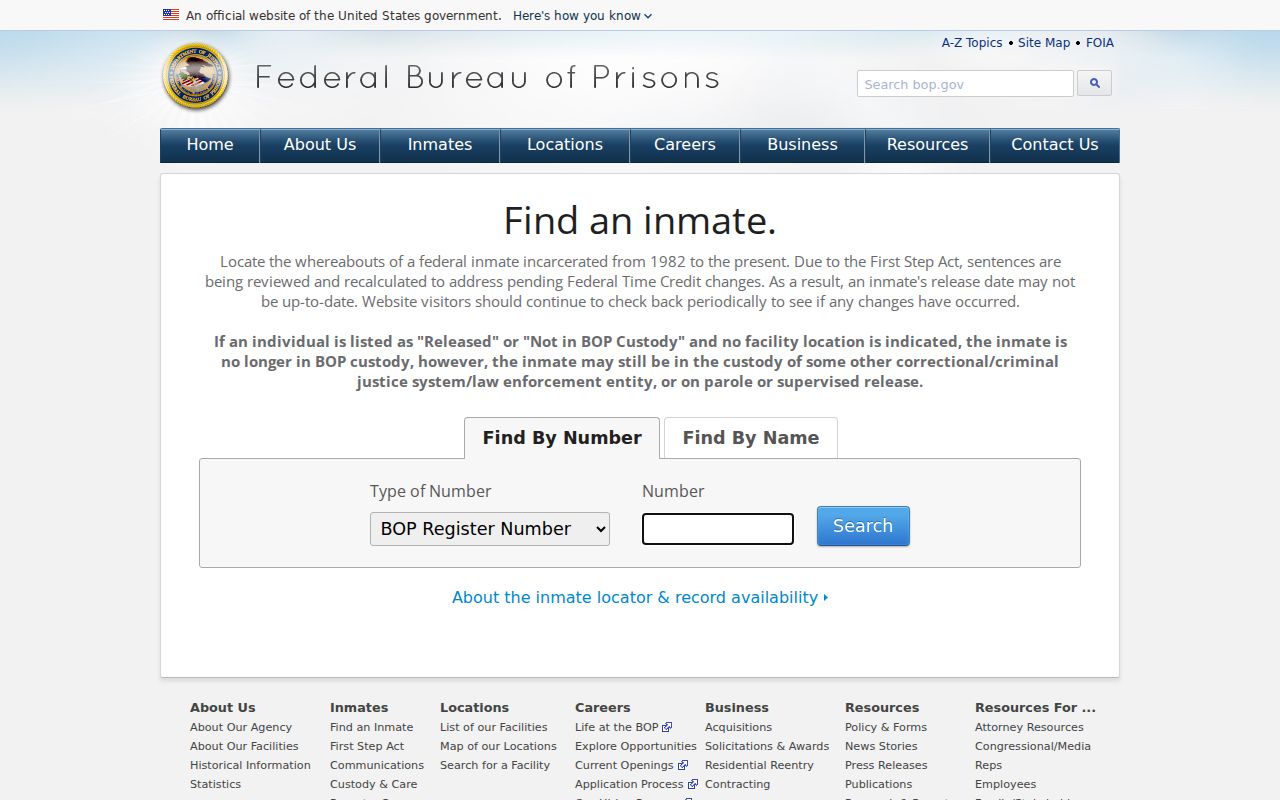
Federal custody is separate from Louisiana DPS&C and parish jail records, even when a federal detainee is temporarily housed locally.
Louisiana Jail Roster Search Fields
Parish roster controls vary, and the fields below are representative rather than promised statewide. A booking number is more precise than a name when it is known.
| Field Label | Type | Required | Notes |
|---|---|---|---|
| Last Name | Text | Usually | Exact and partial matching vary by sheriff. |
| First Name | Text | Optional | Narrows common surnames. |
| Booking or inmate number | Text | Optional | Use the labeled local identifier when known. |
| Alphabet navigation | Link control | No | Some rosters browse current inmates by surname. |
What Louisiana Booking Profiles Show
A parish booking profile may identify custody and alleged charges, but it does not prove the prosecutor filed those counts or that a conviction followed. Exact fields and redactions vary by sheriff.
| Field | What It Shows |
|---|---|
| Identity | Name, booking number, photograph, age or limited birth data, and physical descriptors if published. |
| Intake | Booking date and time, arresting agency, arrest report number, and receiving facility. |
| Charges | Agency-supplied charge, count, statute, offense date, and court number where available. |
| Bond | Amount and type per count; later court orders may not yet appear. |
| Housing and holds | Facility or unit plus detainer, probation, fugitive, or other hold flags if disclosed. |
| Status | Current custody, release, transfer, or disposition information supplied by the sheriff. |
A release date can lag until the source sends its next update. Separate holds can prevent release even after one bond is posted. Note: Confirm bond and court dates in the clerk's minutes because a jail roster may not yet reflect a new judicial order.
Louisiana Parish Jail Facilities
Louisiana cannot be reduced to one local facility address. Parish sheriffs operate local jails, and a sheriff may use more than one building or transfer a person to another parish. State prisons publish separate facility pages. Always identify the facility named in the latest official result before using its phone, mail, visit, or deposit rules.
The parish directory routes to each local records site and sheriff source. Check the arrest parish, neighboring transfer destinations, and any DPS&C assignment. Call before travel because movement can occur after a roster or VINE update. Staff may confirm custody while withholding unit and security information.
Louisiana Booking and First Appearance
After arrest, jail staff verify identity, search the person, inventory property, photograph and fingerprint, screen health and safety needs, enter charges and holds, and classify housing. The arrest agency then sends reports for prosecution screening. The booked charge can be refused, amended, or replaced, so the roster should not be treated as the final charge record.
A judge addresses probable cause or custody, rights, counsel, and bail at the applicable early proceeding. Timing depends on the warrant, arrest facts, weekends, and charge and should be checked in the actual minutes. Bond may be cash, commercial surety, secured property where allowed, or recognizance with conditions. A judge may order no bond when law permits. Separate counts and holds mean posting one amount may not secure release.
Louisiana Inmate Visitation Rules
Each parish jail sets its schedule, approved visitor process, ID rules, clothing standards, minor rules, video options, and contraband policy. State prisons use facility-specific days and visitor approval. The table is a routing model, not actual hours. Obtain the current schedule from the facility through the Louisiana parish directory.
| Day | Hours | Type |
|---|---|---|
| Weekdays | Facility schedule | In person, video, or both |
| Weekends | Facility schedule | Often grouped by unit or surname |
| Legal visits | Facility policy | Separate professional procedure |
| Holidays | Confirm directly | Closures or special schedule may apply |
Bring required identification and complete approval before travel. Transfers can void a planned visit at the old site. Special restrictions may apply to particular offense histories and minor visitors.
Contact People in Louisiana Custody
Address mail with the committed name, DPS&C or booking number, facility name, and official address. Facilities inspect mail and may reject cash, stamps, unauthorized enclosures, third-party packages, or security-threatening content. Legal mail receives special handling when properly marked. Phone and video access use the specific vendor linked by the sheriff or DPS&C. Never select a vendor from an ad or an unofficial directory.
VINE notification is different from direct contact. Registered users can receive supported release, transfer, escape, death, or court-related alerts through offered phone, text, email, or app channels. Notifications supplement safety planning and facility confirmation. They do not guarantee immediate delivery or replace emergency services.
Louisiana Inmate Funds and Records
Use only the trust-deposit or canteen vendor linked by the holding agency. Fees, limits, identity checks, refund rules, and chargeback terms vary. A person moved from parish jail to state custody may receive a different account and vendor. Confirm the identifier and current facility before sending money.
For records, request a releasable booking sheet from the sheriff. DPS&C accepts public-record requests through its public-information channel, but Louisiana restricts most inmate-file content. Public categories include age, offense, conviction date, sentence length, and misconduct while incarcerated under R.S. 15:574.12. Medical, classification, security, programming, victim, investigative, and case-management information does not become public merely because someone asks for the whole inmate file.
Projected release is an estimate affected by sentence computation, jail credit, consecutive terms, good-time eligibility, discipline, parole decisions, detainers, and court orders. Parole eligibility is not release. Search VINE, call DPS&C, and check the parish roster when records conflict. The actual custodian is the best source for a present location, while the sentencing clerk holds the court order that explains the term.
Multiple holds can explain why a person remains in custody after bond posts. Immigration, probation or parole, fugitive, contempt, and out-of-parish holds belong to the originating authority. Ask the jail which agencies placed holds and which facts can be released, then contact those agencies through official channels. Do not infer that a person is free because one count shows a zero balance or a release-eligible bond.
For a time-sensitive Louisiana inmate search, record when each source was checked. VINE updates about daily, sheriff schedules vary, and a transfer can occur between updates. A screenshot proves only what the interface displayed at that time. Victims using notifications should keep contact information and PIN settings current and maintain a separate safety plan with law enforcement or victim services. Facility confirmation is still needed before travel, mail, or financial transactions.